Who Are the Licensing Board Members — and What Do They Do?
When you receive a letter from your licensing board, it's natural to feel intimidated. But one thing that can ease some of the fear is understanding who's behind that letter — and what their role really is.
Let's look at who sits on professional licensing boards, what they do, and how they make decisions.
Who Are Licensing Board Members?
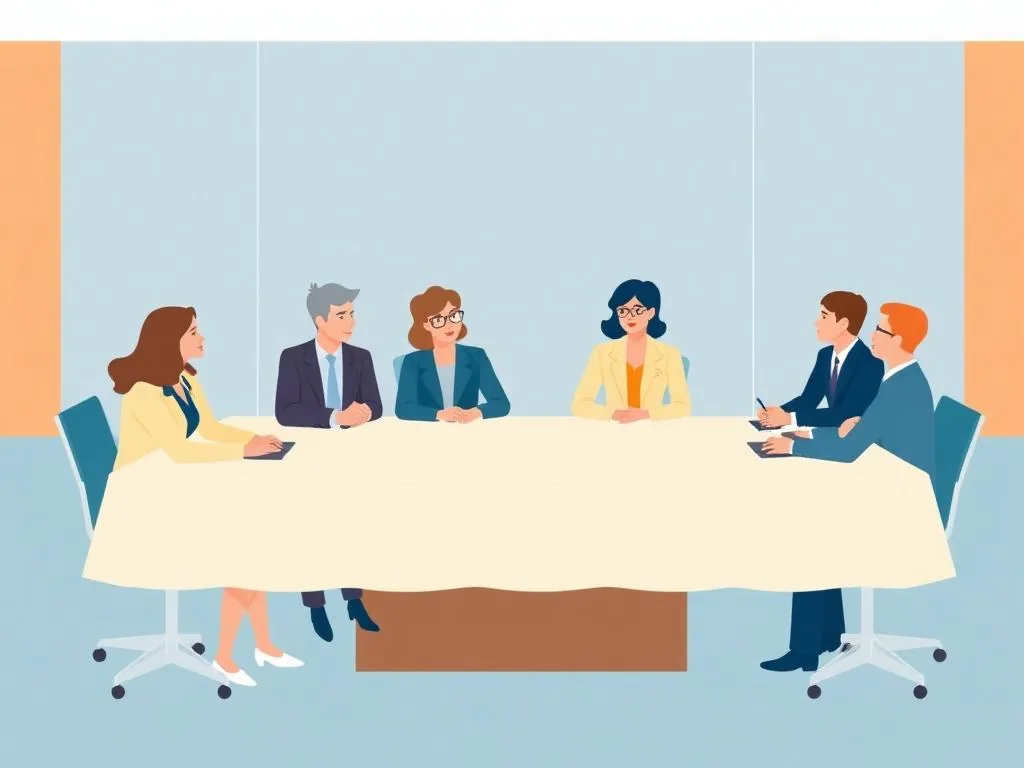
Most professional licensing boards are made up of a diverse group of people, including:
- **Professionals from your field** — Nurses, therapists, social workers, or others who understand the work firsthand.
- **Public members** — Community representatives who don't hold the license but bring a consumer or public safety perspective.
- **Legal or administrative staff** — Government employees who ensure the board follows laws, timelines, and proper procedures.
Boards are not made up of people who want to punish you — they're made up of people charged with protecting the public and upholding professional standards.
What Is the Board's Role?
Licensing boards exist to:
- Review complaints made against licensed professionals
- Investigate and gather facts when necessary
- Decide whether action is needed, and if so, what kind
- Protect the public, while also respecting the rights of the licensee
Boards often dismiss a large percentage of complaints early, especially when the licensee responds clearly, shows insight, and demonstrates a commitment to ethical practice.
What Board Members Want to See
When reviewing a complaint, board members are typically looking for:
- **Honesty** — Did the professional tell the truth? Are there inconsistencies?
- **Insight** — Does the professional understand what went wrong (if anything)?
- **Professionalism** — Is the response calm, organized, and respectful?
- **Accountability** — Is the professional taking responsibility where appropriate?
- **Growth** — Has the professional taken steps to prevent future issues?
You don't need to be perfect. But you do need to show that you take your profession — and the complaint — seriously.
Remember: They're Human Too
Board members are not distant bureaucrats. Many have faced their own professional challenges. They understand the stress of the process. And they want to see professionals succeed — not fail.
By approaching your response with honesty, clarity, and professionalism, you give the board what it needs to make a fair decision.
BoardWise is here to help you do exactly that.
How can we help?
Choose what's happening so we can guide you to the right next step.
Select your situation, profession, and state to continue.